How To Identify Molecular Or Ionic Compounds
This module explores two common types of chemical bonds. Ionic bonding is a type of chemical bond that involves the electrostatic attraction between oppositely charged ions and is the primary interaction occurring in ionic compoundsThe ions are atoms that have lost one or more electrons termed cations and atoms that have gained one or more electrons termed anions.

Ionic Bonding Worksheet Answer Key Photograph All Right Ionic Bonding Ionic Compound Super Teacher Worksheets
If the prefix of the first element would be mono- it is not neededTIP.

How to identify molecular or ionic compounds. Ionic or Covalent Compound Name 21 CdBr 2 22 CrCr 2O 7 3 23 SBr 2 24 NH 4 2CrO 4. The simplest ionic compounds are binary ionic compounds or those that only contain two atoms one acting as the cation and one acting as the anion. Ionic Compounds When an element composed of atoms that readily lose electrons a metal reacts with an element composed of atoms that readily gain electrons a nonmetal a transfer of electrons usually occurs producing ions.
In a liquid chromatography experiment for example an analyte is generally adsorbed or bound to an adsorbent in a liquid chromatography column. The best guide to the covalent or ionic character of a bond is to consider the types of atoms involved and their relative positions in the periodic table. If an element does not have a prefix assume that the subscript is 1 Third apply the above naming scheme.
Of both ionic and molecular compounds in solution and requires that the student interpret results to make a determination about the type of compound they are working with. Then write the formula. Recognizing Ionic Compounds.
First identify the elements present. Youre comfortable naming covalent or molecular compounds and writing their formulas. Bonding between a metal and a nonmetal is often ionic.
Identify the compound whose solubility you want to check. The phosphoric acid and the water are molecular compounds so do not write in ionic form. In analytical and organic chemistry elution is the process of extracting one material from another by washing with a solvent.
Chemical Formula Type of Compound. Sodium chloride or table salt is an ionic compound. The MathMol Library of Molecular Structures contains GIF PDB and 3-D VRML files of molecules that are found in most introductory biology and chemistry textbooks eg water and ice carbon hydrocarbons amino acids nucleotides lipids sugars photosynthetic pigments and drugs.
Compounds are classified as ionic or molecular covalent on the basis of the bonds present in them. This transfer of electrons is termed electrovalence in contrast to covalence. They are made between two non-metals and are sometimes referred to as covalent compounds.
Look up each ion in the solubility rules. You might want to review the rules for naming ionic compounds to make certain youve mastered them. The chemical formulas for covalent compounds are referred to as molecular formulas A chemical formula for a covalent compound.
Because these compounds exist as separate discrete molecules. There are two ways to recognize ionic compounds. Ionic Compounds When an element composed of atoms that readily lose electrons a metal reacts with an element composed of atoms that readily gain electrons a nonmetal a transfer of electrons usually occurs producing ions.
Compounds are classified as ionic or molecular covalent on the basis of the bonds present in them. Molecular compounds are compounds that never have a charge. Some compounds contain both covalent and ionic.
For example CaBr 2 contains a metallic element calcium a group 2 or 2A metal and a nonmetallic element bromine a group 17 or 7A nonmetal. The easiest way to determine whether a compound can conduct a current is to identify its molecular structure or composition. Ionic compounds can be between metals and nonmetals metals and polyatomic ions or multiple polyatomic ions.
Check the left-hand column for the general rule and look. They include both covalent and ionic compounds. So they have a high melting and boiling point.
Compounds that consist primarily of elements other than carbon and hydrogen are called inorganic compounds. From here its a good idea to know the properties of covalent compounds. Melting and Boiling Points.
Ionic compounds are those that will ionize in an aqueous solution and have a charge. The adsorbent a solid phase stationary phase. That is they are molecular compounds.
Ionic Compounds When an element composed of atoms that readily lose electrons a metal reacts with an element composed of atoms that readily gain electrons a nonmetal a transfer of electrons usually occurs producing ions. Ionic crystals are hard and brittle and have high melting points. You rocked this quiz.
If youre unsure of yourself you can review the nomenclature rules and prefixes for covalent compounds. Steps to Naming Covalent Compounds. It can be helpful to write out the empirical formula so you can identify the ions that make up the compound.
Chapter 9 Honors Chemistry Ionic Covalent Compound Naming First identify whether these compounds are ionic or covalent. First compounds between metal and nonmetal elements are usually ionic. Due to a weak force of attraction between the atoms these compounds usually have a low melting.
The convention for writing inorganic compounds involves listing the component elements beginning with the one farthest to the left in the periodic table as in CO 2 or SF 6. The module presents chemical bonding on a sliding scale from pure covalent to pure ionic depending on differences in the electronegativity of the bonding atoms. The strontium hydroxide does ionize but there are no ions on the other side to cancel out.
Compounds with strong conductivity dissociate completely into charged atoms or molecules or ions when dissolved in water. It is an ionic compound. Therefore it is most likely an ionic compound.
Its obvious youve studied how to name ionic compounds and write the formulas from the names. The substances mentioned above exemplify the two basic types of chemical compounds. Generally ionic crystals form from a combination of Group 1 or 2 metals and Group 16 or 17 nonmetals or nonmetallic polyatomic ions.
Due to the strong attractive forces between the positive and negative ions in an ionic compound a lot of energy is required to break the ionic bonds between the oppositely charged ions. Second look at the subscript of each element to determine which prefix to use. Sodium chloride on the other hand contains ions.
Thus we will focus on the formation of binary ionic compounds first. Identify whether the compounds is an Ionic Molecular or Acidic Compound. Methane and water are composed of molecules.
The lab also allows students to determine the solubility of ionic compounds and molecular compounds in both. Then use the correct naming rules to write the correct names for each compound. The strontium phosphate is a precipitate so no formation of ions.
Compounds are classified as ionic or molecular covalent on the basis of the bonds present in them. Get used to what part of an elements. The next step is predicting whether two species will form ionic.
Formula Type Chemical Name N 2 H 6 M Dinitrogen hexahydride HNO 2 A Nitrous Acid CO M Carbon monoxide HCl A Hydrochloric Acid S. Bonds between two nonmetals are generally covalent. The millions of different chemical compounds that make up everything on Earth are composed of 118 elements that bond together in different ways.
As in washing of loaded ion-exchange resins to remove captured ions. Typically a molecular formula begins with the nonmetal that is closest to the lower left corner of the periodic table except that hydrogen is almost never written first H 2 O is the prominent exception. Ionic compounds do not conduct electricity as solids but do conduct electricity when molten or in aqueous solution.

Have Students Use Their Knowledge Of Ionic And Covalent Bonding To Identify Two Unnamed Powders Studen Ionic And Covalent Bonds Covalent Bonding Ionic Bonding

Ionic And Covalent Bonding Are Depicted In The Picture Ionic Bonds Is The Attraction Of A Cation To An An Ionic Bonding Teaching Chemistry Covalent Bonding

Chemistry Lesson Identifying Ionic Vs Molecular Compounds Chemistry Lessons Chemistry Worksheets Chemistry

Ionic And Molecular Compounds Chemistry Classroom Teaching Chemistry Science Chemistry

Chemical Classification Doodle Note Science Doodle Notes For Chemistry Doodle Notes Science Chemistry Classroom Doodle Notes

Pin On For Educators

Chemical Bonding Cheat Sheet How To Name Ionic And Covalent Bonds Teaching Chemistry Chemistry Lessons Chemistry Classroom

Difference Between Empirical And Molecular Formula Infographic Chemistry Basics Chemistry Study Guide Chemistry Education
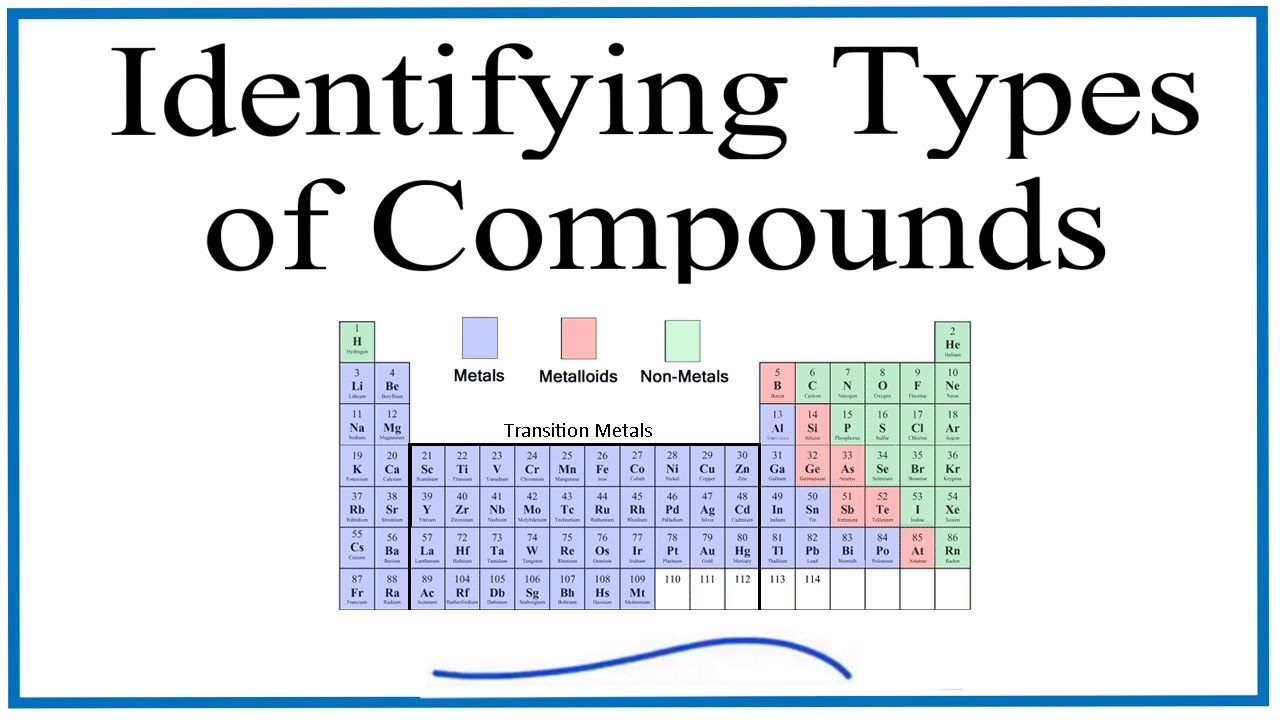
How To Identify Different Types Of Chemical Compounds Youtube Science Notes Chemistry Class Chemistry

Ionic Vs Covalent Coloring Activity Chemistry Science Pdf Teaching Chemistry Chemistry Activities Chemistry

Ionic Bond Vs Covalent Bond Covalent Bonding Covalent Bonding Worksheet Ionic Bonding

Ionic Covalent And Metallic Bonds Chemical Bonds Chemistry Khan Academy Chemical Bond Chemistry Lessons Teaching Chemistry
This Activity Is A Way To Practice Classifying Chemical Formulas As Either Ionic Or Covalent Bon Covalent Bonding Worksheet Covalent Bonding Teaching Chemistry

Covalent Bonding Google Search Chemistry Education Chemistry Classroom Teaching Chemistry

Lesson Plan Bundle Ionic And Covalent Bonding Distance Learning Covalent Bonding Teaching Chemistry Chemistry Worksheets

2 7 Single Double And Triple Covalent Bonds Covalent Bonding Teaching Chemistry Chemistry Education

Chemical Principles Chemistry Lessons Biochemistry Notes Ionic Bonding

Ionic Covalent And Metallic Structures Of Solids Metallic Bonding Covalent Bonding Coordination Number

Ionic Covalent Bonds Teaching Chemistry Covalent Bonding Science Anchor Charts